Behind the Screens: How Collaboration Between Studios and Wallets Transforms Access to Table Games on Handheld Devices
Bianca Patterson · Aug 17, 2026
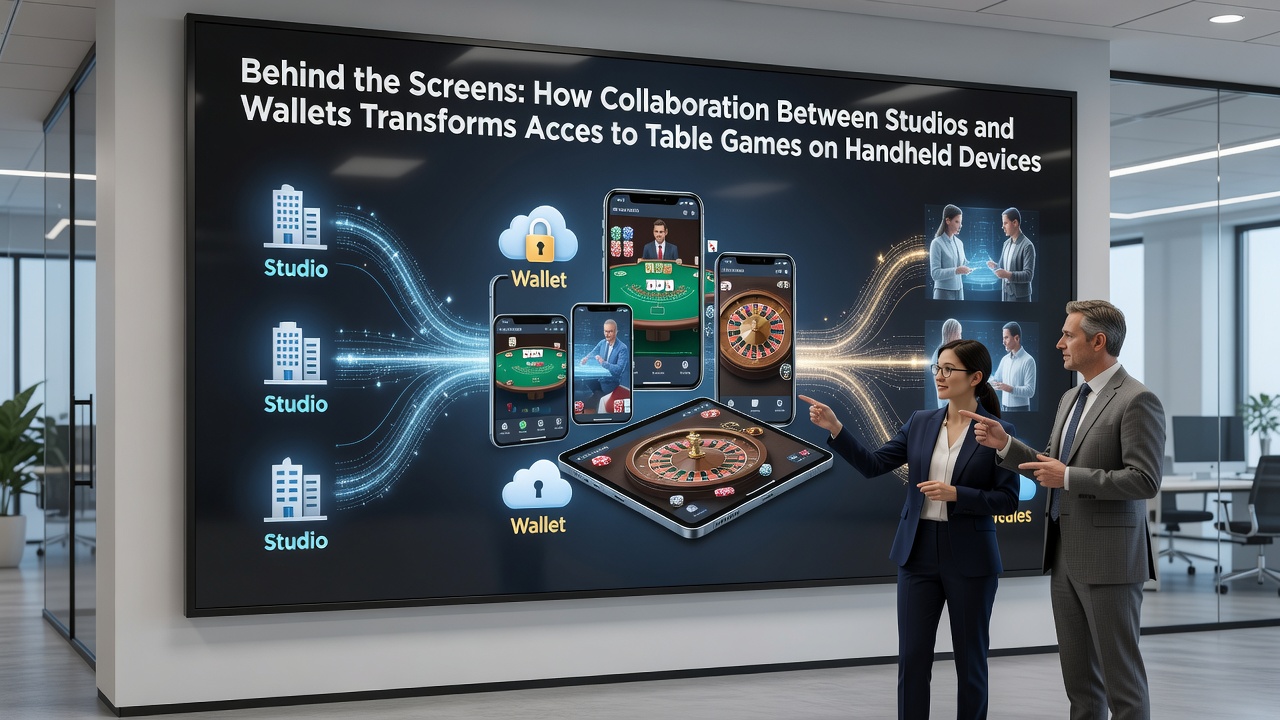
Behind the Screens: How Collaboration Between Studios and Wallets Transforms Access to Table Games on Handheld Devices
Game studios have formed direct technical partnerships with digital wallet providers to streamline how players fund and access table games on smartphones and tablets, and these arrangements have produced measurable changes in transaction speeds and game availability across major markets. Integration happens through shared APIs that connect game servers to wallet infrastructure, allowing deposits and withdrawals to occur without leaving the app environment during sessions of blackjack, roulette, or baccarat.
Technical Integration Patterns
Studios develop custom modules that embed wallet authentication directly into the game client, which reduces the number of steps a player needs to complete before starting a hand or spin on a mobile device. Wallet companies supply the backend protocols that verify balances in real time, and the result shows up as faster load times for live dealer tables that stream to handheld screens. Data from platform analytics indicates that sessions initiated through these embedded connections last longer on average than those requiring external redirects to payment pages.
August 2026 has seen several studios release updated mobile SDKs that support multiple wallet types simultaneously, including both traditional payment apps and cryptocurrency options. This flexibility lets operators serve users in different regulatory zones without rebuilding the entire game interface for each region, while maintaining compliance checks that run in the background during the connection process.
Impact on Table Game Accessibility
Players who connect through partnered wallets encounter fewer interruptions when switching between different table games on the same device, and operators report higher retention rates for titles that use these integrated flows. The collaboration also supports features such as in-game balance displays that update instantly after each round, which keeps the focus on gameplay rather than account management. Industry reports show that mobile table game participation increased in markets where these connections became standard during the first half of 2026.
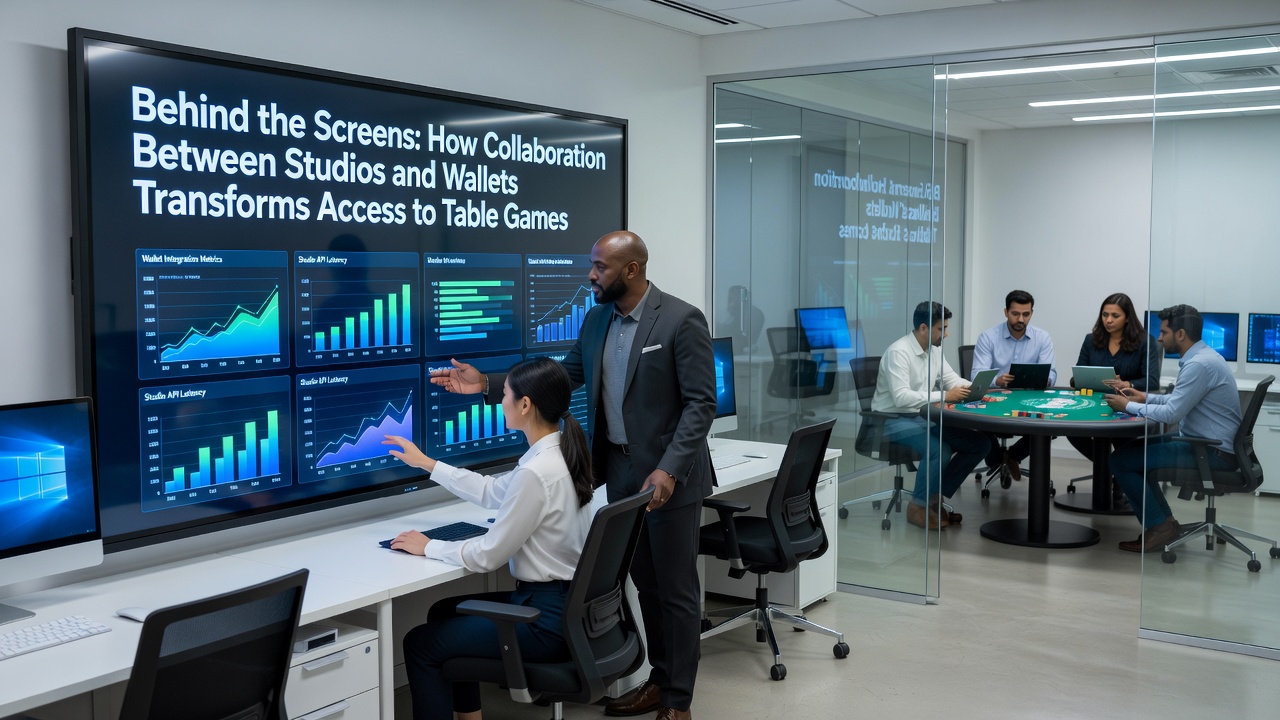
One documented case involved a major studio working with a North American wallet service to enable single-tap funding for roulette tables on tablets, and the change cut average deposit time from forty-five seconds to under ten seconds according to internal testing data. Similar arrangements have appeared in European and Asian markets, where studios coordinate with local wallet providers to handle currency conversions automatically within the game session.
Security and Compliance Measures
Joint development teams implement layered encryption that travels with the transaction data from the wallet to the game server, and these protocols align with requirements set by gaming control boards in multiple jurisdictions. Regular audits verify that the shared systems prevent unauthorized access while still allowing quick verification of player funds. Observers note that the number of reported security incidents tied to mobile table game deposits has remained low in regions where these studio-wallet partnerships operate under formal agreements.
Regulatory filings from the Nevada Gaming Control Board detail how integrated systems must maintain separate logs for wallet interactions and game outcomes, which helps authorities review activity without delaying player access. Studios incorporate these logging requirements into their code during the initial build phase rather than adding them afterward.
Future Development Trends
Current roadmaps shared by several studios point toward deeper wallet features such as in-app staking options for table game tournaments and direct peer transfers between players during multi-table events on handheld devices. These additions require continued coordination between the game developers and wallet engineers to ensure compatibility across operating systems and device types. Research from the American Gaming Association tracks how such technical alignments correlate with rising mobile table game volumes in regulated U.S. states through mid-2026.
Conclusion
Partnerships between game studios and wallet providers continue to reshape the technical foundation for table game delivery on handheld platforms, producing measurable gains in connection speed and session continuity while meeting established security standards. These collaborations operate through shared infrastructure that supports both traditional and cryptocurrency wallets, and ongoing updates in August 2026 reflect further refinements to the same integration model. The pattern shows consistent expansion across markets where regulatory frameworks accommodate the combined systems.