Examining Synchronization Methods Between Digital Wallets and Live Table Interfaces Across Portable American Gaming Applications
Finley Reed · Aug 6, 2026
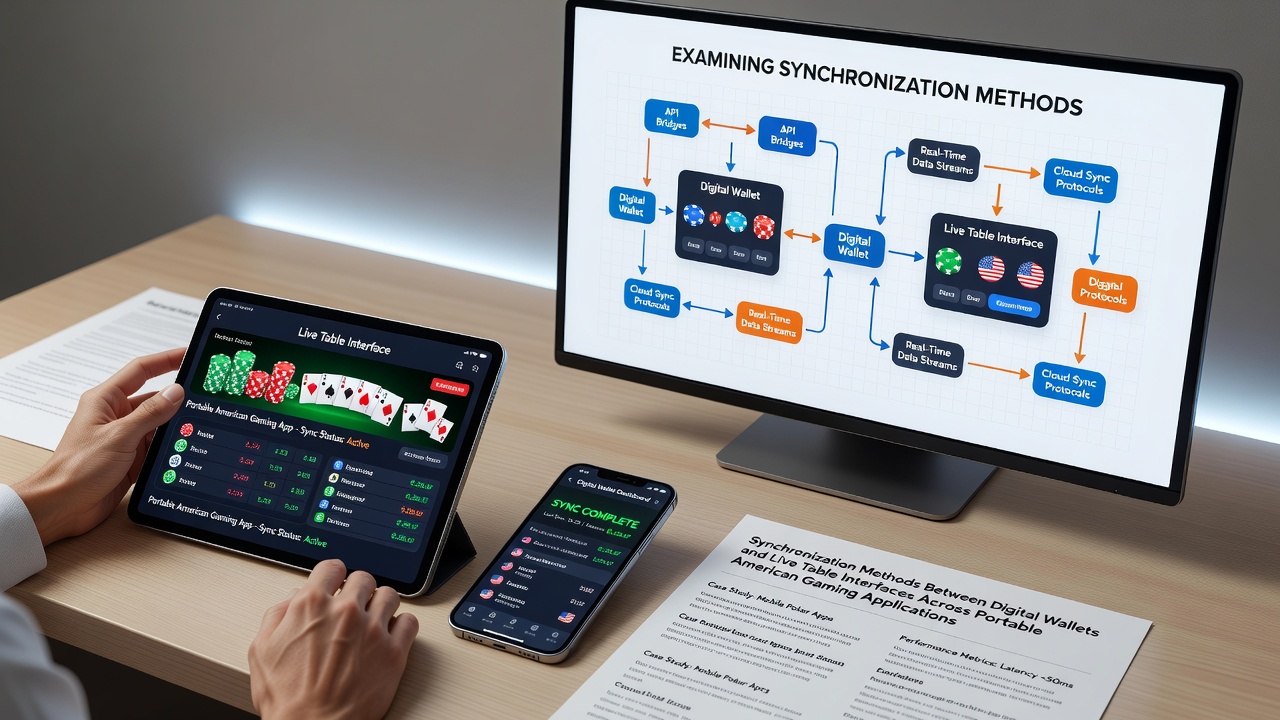
Examining Synchronization Methods Between Digital Wallets and Live Table Interfaces Across Portable American Gaming Applications
Portable American gaming applications have expanded rapidly since the early 2020s, with operators deploying live dealer tables alongside digital wallet features that require precise synchronization to support real-time betting and fund transfers. Data from industry reports shows that states such as New Jersey, Pennsylvania, and Michigan accounted for the majority of mobile live gaming activity through the first half of 2026, prompting developers to refine connection protocols between wallet systems and table interfaces.
Core Synchronization Approaches in Mobile Platforms
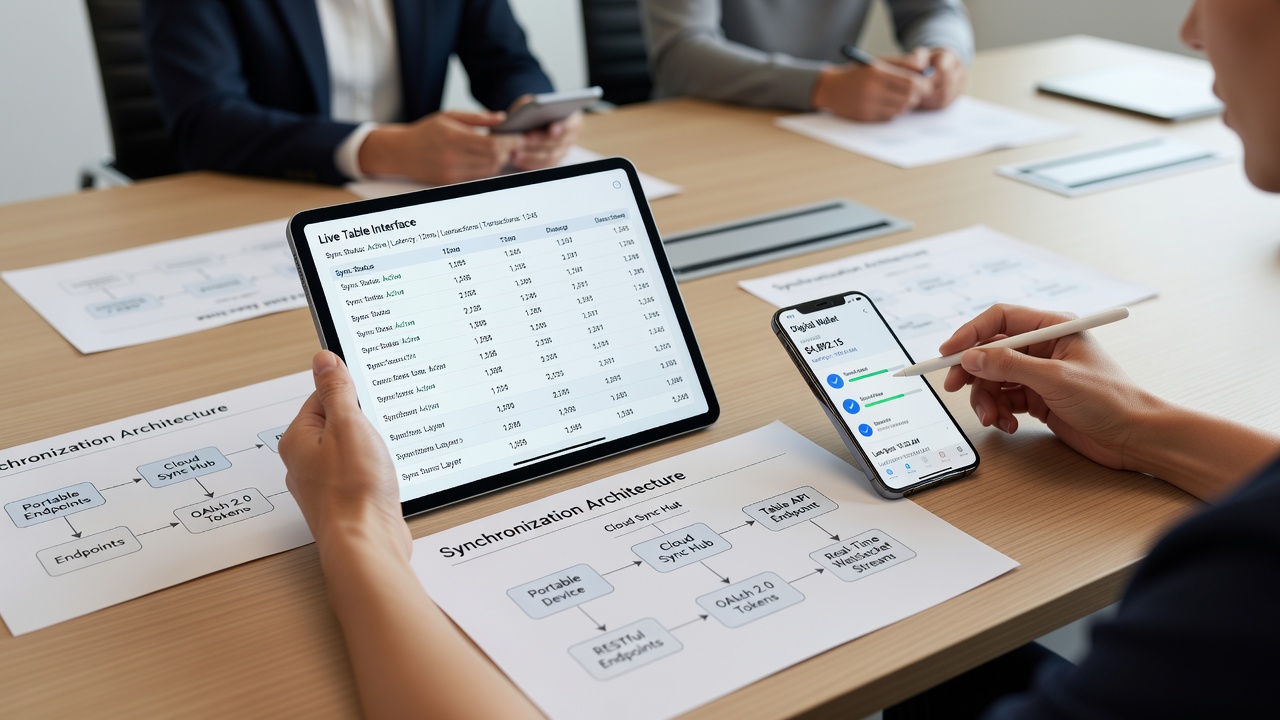
Developers rely on application programming interfaces that push transaction data from digital wallets directly into live table environments, allowing players to adjust bets or withdraw winnings without leaving the active session. These APIs typically incorporate token-based authentication and encrypted data streams that update balances every few seconds, while state-mandated reporting systems capture each transfer for compliance records. Observers note that platforms using blockchain-backed wallets often employ smart contract triggers to verify fund availability before confirming a live table action, reducing latency compared with traditional payment gateways.
Additional methods include WebSocket connections that maintain persistent links between the wallet backend and the table rendering engine, enabling simultaneous display of account balances and game outcomes on the same screen. Research conducted by gaming technology firms indicates that hybrid models combining RESTful endpoints for initial authentication with WebSocket channels for ongoing updates deliver the most stable performance across varying network conditions common to mobile users.
Security Protocols and Compliance Mechanisms
American operators must align wallet synchronization with requirements from multiple state regulators, including the New Jersey Division of Gaming Enforcement and the Pennsylvania Gaming Control Board, which mandate separate audit trails for each fund movement. Encryption standards such as TLS 1.3 combined with multi-factor wallet verification help prevent unauthorized access during live sessions, and automated reconciliation tools compare transaction logs against table results at regular intervals. Those who have studied these systems find that geo-fencing technology further restricts synchronization attempts to approved jurisdictions, automatically pausing transfers when a device crosses state lines.
Performance Data and Platform Adaptations
Figures released by the American Gaming Association reveal that mobile live gaming revenue in participating states exceeded $1.8 billion during the first quarter of 2026, with synchronization reliability cited as a key factor in session duration and repeat play. Platforms have responded by implementing adaptive bitrate streaming for table interfaces that adjusts alongside wallet update frequency, ensuring that balance changes appear without interrupting video feeds from physical or virtual dealer studios. In August 2026, several major operators introduced updated software development kits that standardize wallet calls across different live table providers, allowing faster integration cycles and more consistent user experiences on both iOS and Android devices.
One documented case involved a New Jersey-based operator that reduced average transaction confirmation time from 4.2 seconds to under 1.8 seconds after switching to a unified synchronization layer that combined wallet and table data streams. Similar adjustments appear in Michigan and West Virginia deployments, where regulators now require real-time reporting of wallet-table interactions to support responsible gaming tools that flag unusual activity patterns.
Future Integration Trends
Industry analysts tracking portable gaming applications expect continued emphasis on standardized protocols that permit seamless movement between different live table environments while preserving wallet security settings. Collaborative efforts among software providers focus on developing common data schemas for balance updates and bet placements, which could streamline operations for operators managing multiple state licenses. Academic studies from institutions examining digital payment systems in regulated gaming environments have highlighted the role of zero-knowledge proofs in verifying wallet balances without exposing full transaction histories, a technique gaining traction in pilot programs across several American jurisdictions.
Conclusion
Synchronization methods between digital wallets and live table interfaces continue to evolve as portable American gaming applications expand into additional states. Technical approaches centered on APIs, persistent connections, and layered security protocols address both performance demands and regulatory obligations, while ongoing platform updates reflect data collected through the middle of 2026. These developments support the operational requirements of mobile live gaming without compromising the compliance frameworks established by state authorities.