How Regulatory Frameworks Shape Instant Crypto Verification in State-Specific Mobile Gaming Platforms
Bianca Patterson · Aug 22, 2026
How Regulatory Frameworks Shape Instant Crypto Verification in State-Specific Mobile Gaming Platforms
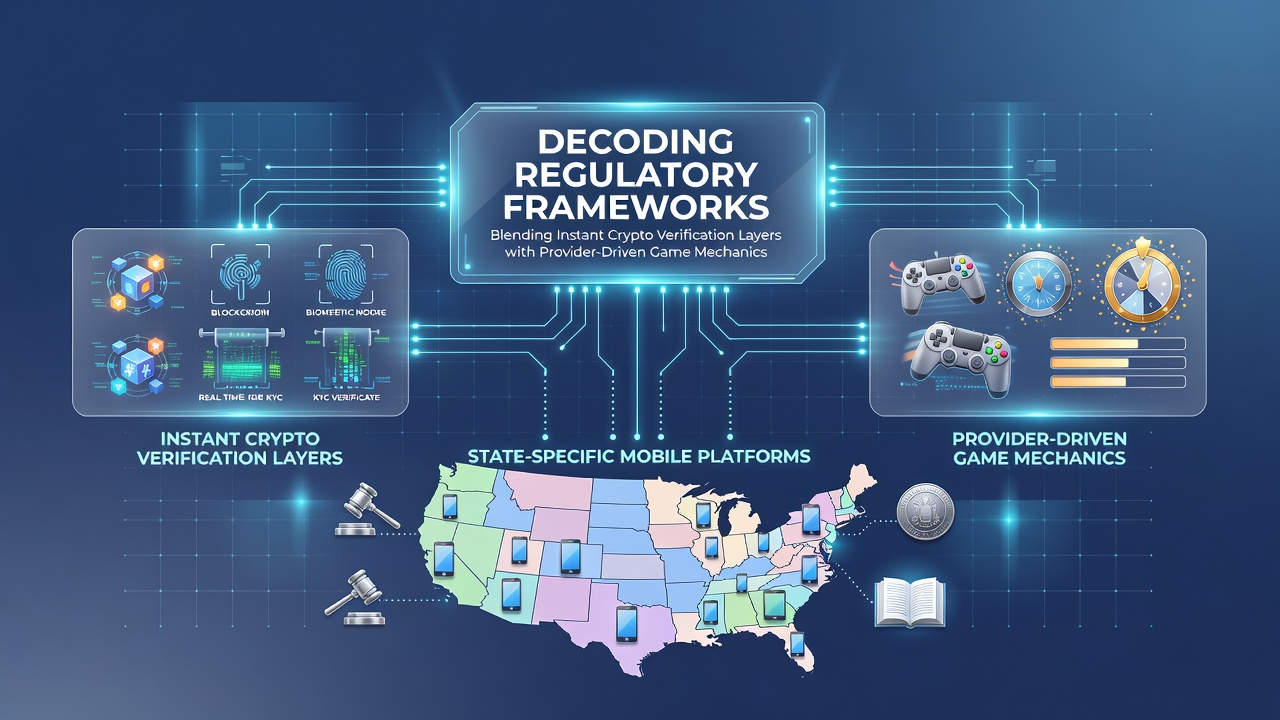
Regulatory frameworks in various states establish precise rules for integrating instant crypto verification layers into mobile gaming platforms, and these guidelines directly influence how providers embed game mechanics such as slot mechanics, live dealer interactions, and bonus delivery systems. In August 2026 data from multiple jurisdictions shows continued expansion of iGaming options, with operators required to align crypto transaction speeds with state-mandated identity checks and anti-money laundering protocols. States maintain distinct licensing structures that dictate the pace at which wallet connections and real-time balance updates can occur within provider software.
State-Level Differences in Verification Requirements
New Jersey and Pennsylvania enforce separate standards for digital asset handling, where verification must complete before any game session begins, which forces providers to synchronize their RNG systems and loyalty mechanics with approved crypto gateways. Michigan and West Virginia apply additional layers around geolocation combined with wallet authentication, resulting in platforms that delay certain provider-driven features until full compliance registers. Observers note that these variations create segmented development paths for studios adapting the same base game titles across borders.
Connecticut and Delaware follow narrower crypto allowances that still demand rapid KYC completion, and this setup requires mobile interfaces to route players through verification before unlocking high-RTP modes or progressive jackpots supplied by external providers. Data from state gaming divisions indicate that approval timelines for new verification modules average between four and eight weeks depending on the jurisdiction, which affects rollout schedules for seasonal content updates.
Provider Mechanics Meet Compliance Layers
Game providers adjust reel mechanics, bonus trigger frequencies, and live dealer synchronization points to accommodate the time required for crypto verification handshakes. When a player initiates a session with a digital wallet, the platform must pause certain interactive elements until the state-approved verification service confirms identity and funding source. This pause integrates directly into the game flow without disrupting overall session continuity once clearance occurs.
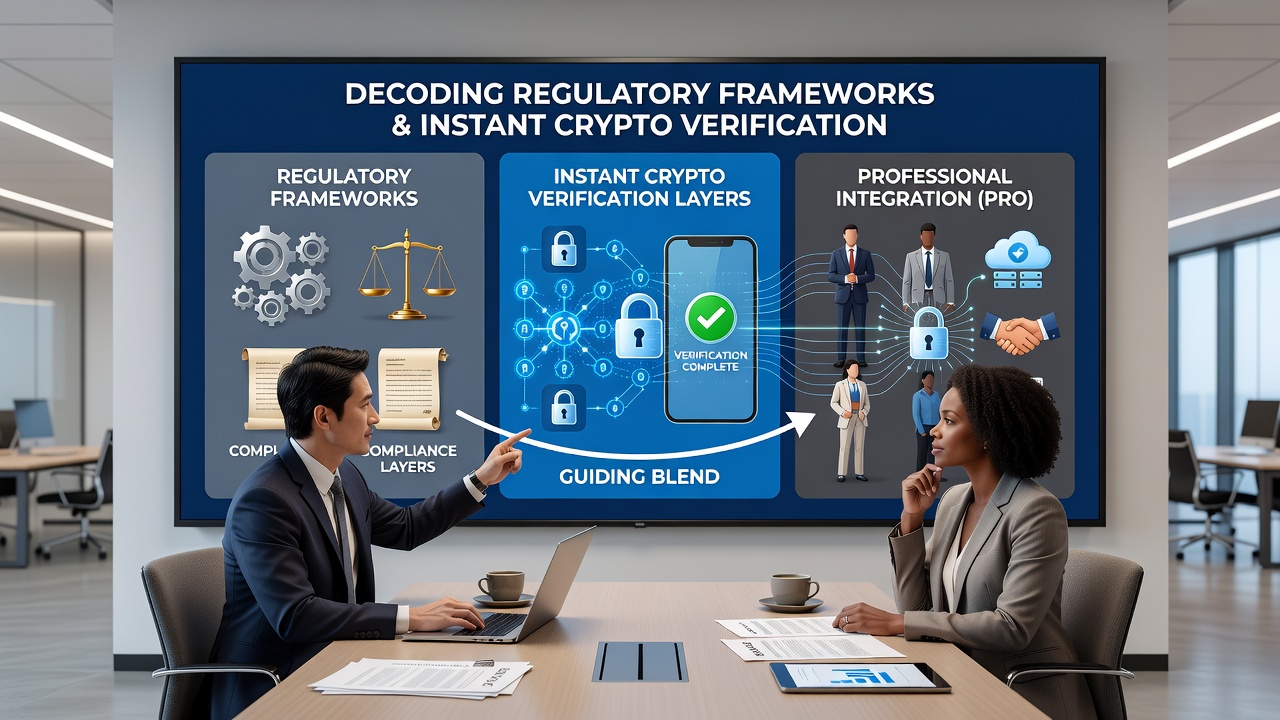
Studios such as those supplying slot libraries and table game engines coordinate API calls with compliance vendors so that features like turbo spin options or side-bet mechanics activate only after verification completes. In states with stricter rules, providers embed fallback sequences that display pending status indicators while the background process resolves, preserving player engagement during the short interval. Research from industry associations shows that successful integrations reduce drop-off rates during onboarding by aligning verification timing with typical load sequences of mobile titles.
August 2026 Developments Across Jurisdictions
By August 2026 several states had updated their technical standards documents to include specifications for multi-signature wallet approvals and transaction logging intervals, which directly impact how providers design their backend reward systems. These updates require platforms to maintain audit trails that link each verified crypto deposit to specific game events such as spin outcomes or dealer hand resolutions. Operators report that compliance teams now review provider code submissions for these logging hooks before certifying new game releases.
Illinois and New York continue to refine their mobile platform rules around crypto speed and verification thresholds, prompting providers to create modular code packages that activate or deactivate based on detected player location. Such adaptability allows a single title to function across multiple regulatory environments without separate builds for each state.
Conclusion
State regulatory frameworks continue to define the technical boundaries within which instant crypto verification merges with provider game mechanics on mobile platforms. The resulting systems maintain compliance while supporting the interactive elements that define modern gaming sessions, and ongoing adjustments in 2026 reflect further alignment between verification processes and content delivery across jurisdictions.