Regional Regulatory Shifts and Their Impact on Digital Wallet Integration Within State-Specific Mobile Gaming Frameworks
Jordan Lang · Oct 19, 2026
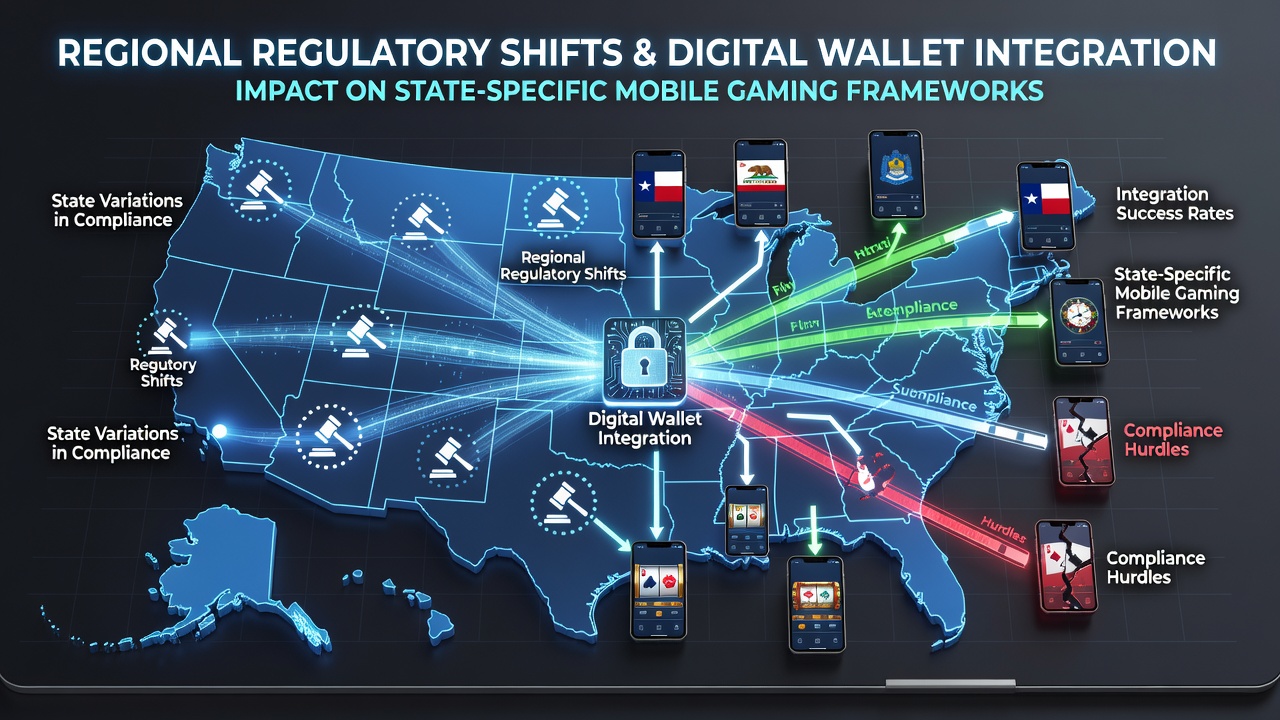
Regional Regulatory Shifts and Their Impact on Digital Wallet Integration Within State-Specific Mobile Gaming Frameworks
State legislatures across the United States have advanced new rules in 2026 that directly reshape how digital wallets connect to mobile gaming systems, and these changes vary sharply by jurisdiction because each state maintains its own licensing and transaction standards. In October 2026 several states updated their compliance checklists to require explicit verification steps before any wallet-to-game transfer can complete, which has prompted operators to adjust their backend systems accordingly.
Key Regulatory Updates Across Jurisdictions
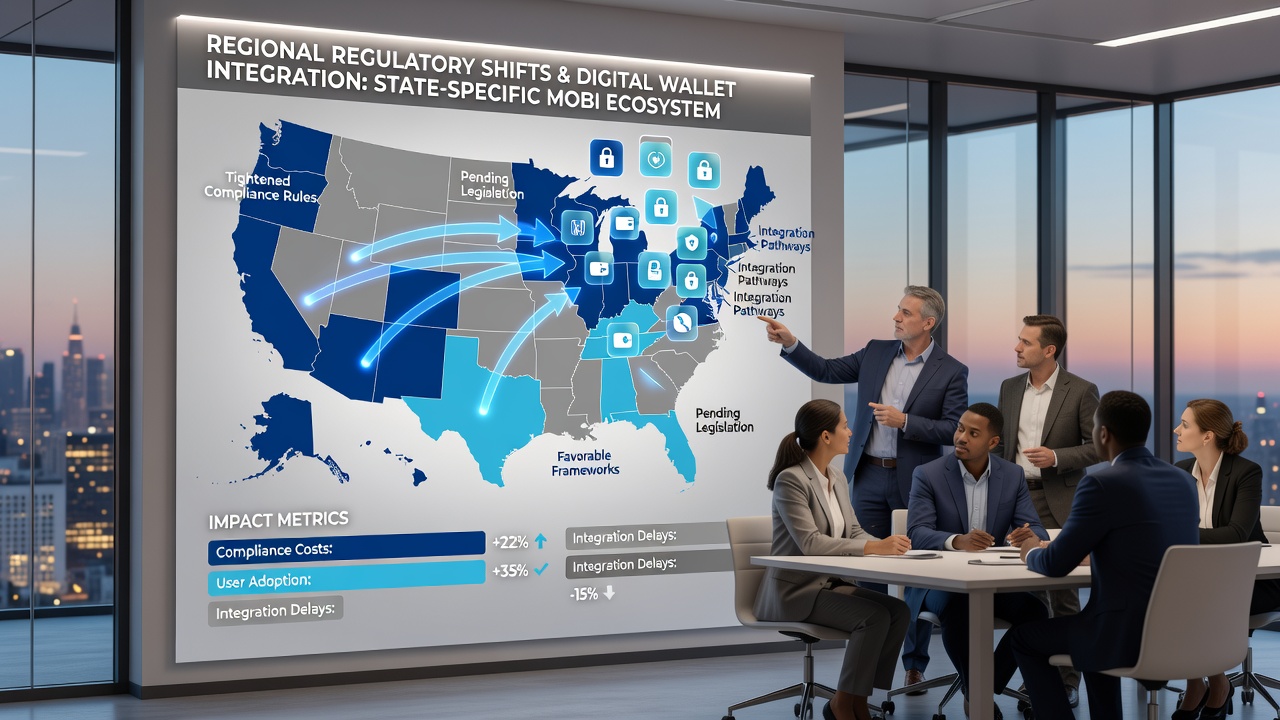
New Jersey and Pennsylvania rolled out revised guidelines that mandate multi-factor authentication for all digital wallet deposits into state-approved mobile platforms, while Illinois introduced a requirement that every transaction log must remain accessible to regulators for a minimum of five years. These measures emerged after data from the first half of 2026 showed rising volumes of mobile sessions, prompting lawmakers to tighten controls without halting growth. Observers note that the staggered rollout created a patchwork where operators serving multiple states must maintain separate compliance modules rather than a single national framework.
California continued its phased approach with draft language released in late September 2026 that would tie wallet integration approvals to specific geolocation accuracy thresholds, and similar language appeared in proposed bills in New York. The result is that developers now test wallet handshakes against each state's technical appendix before deployment, which extends certification timelines but reduces the chance of post-launch enforcement actions.
Effects on Wallet Technology and Platform Architecture
Digital wallet providers responded by building modular APIs that isolate state-specific rules, allowing a single user account to route funds through different compliance layers depending on detected location. This architecture supports both traditional payment rails and emerging options while preserving the speed players expect. Research from industry groups indicates that platforms adopting these modular designs experienced fewer service interruptions when new rules took effect in the third quarter of 2026.
Operators in states with stricter data-retention rules invested in encrypted logging systems that automatically tag each wallet transaction with the originating regulatory jurisdiction. Such tagging helps satisfy audit requests from bodies like the New Jersey Division of Gaming Enforcement without requiring manual intervention. At the same time, platforms serving Michigan and West Virginia adjusted their user interfaces to display jurisdiction-specific disclaimers at the moment a wallet is linked, satisfying transparency obligations that took effect in October 2026.
Case Examples from Multiple Regions
One operator active in both Pennsylvania and New Jersey completed its wallet certification cycle in early October 2026 after updating its fraud-detection thresholds to match each state's distinct risk parameters. The process involved separate sandbox testing environments and resulted in a 12 percent increase in successful first-time wallet linkages compared with the prior quarter. In contrast, a smaller platform operating only in Illinois reported that its simplified single-state setup allowed faster iteration on wallet features while still meeting the five-year log requirement.
Canadian provinces offer a useful parallel: the Alcohol and Gaming Commission of Ontario has required similar wallet verification steps since 2024, and data shared at recent industry forums shows that operators who aligned their systems early maintained higher player retention rates after rule changes. Those patterns informed several U.S. state agencies as they drafted their own 2026 updates.
Future Alignment and Technical Standards
Industry associations have begun circulating draft technical standards that could reduce duplication across state lines while preserving each jurisdiction's core requirements. Working groups formed in September 2026 are examining whether a common wallet certification checklist could coexist with state-specific addenda, potentially shortening approval windows for operators active in multiple markets. Early modeling suggests such harmonization would still leave room for local rules on transaction limits and data residency.
Conclusion
Regional regulatory shifts continue to drive targeted changes in how digital wallets integrate with state-specific mobile gaming frameworks, and October 2026 marked another round of refinements that operators addressed through modular technology and jurisdiction-aware logging. The ongoing evolution shows that compliance now forms an integral part of platform architecture rather than an afterthought, with each state maintaining authority over its own standards while operators adapt through flexible system design.