SkyCity Entertainment Group Reports FY26 Net Profit Decline Amid Operational Pressures
Finley Reed · Aug 20, 2026

SkyCity Entertainment Group Reports FY26 Net Profit Decline Amid Operational Pressures
SkyCity Entertainment Group, a major Australasian casino and entertainment operator, delivered its full-year FY26 financial results that recorded a reported net profit after tax of NZ$18.2 million, representing a 37.6% decrease from the prior year, while underlying EBITDA also declined because of elevated operating costs, lower gaming revenue from carded play, and effects tied to the Middle East conflict that reduced visitation and disrupted operations. The company operates integrated casino and entertainment venues across New Zealand and Australia, where revenue streams depend heavily on gaming activity, hospitality services, and visitor numbers. Data from the reporting period shows that net profit after tax contracted sharply even as the business maintained its core properties in Auckland, Hamilton, Queenstown, Adelaide, and Darwin.Breakdown of Key Financial Metrics
Reported net profit after tax fell to NZ$18.2 million, a drop of 37.6% that reflects the combined weight of higher expenses and softer revenue lines. Underlying EBITDA, a measure often used to assess operational performance before interest, taxes, depreciation, and amortization, also moved lower during the same twelve months. Observers note that these figures emerged from a period when operating costs rose across labor, utilities, and compliance areas while carded play revenue contracted in several locations.
Carded play refers to tracked gaming activity where players use loyalty cards, allowing operators to monitor spend and offer targeted promotions. Reduced activity in this segment contributed directly to the EBITDA movement, according to the company's disclosures. The Middle East conflict added further pressure by limiting international visitor arrivals, particularly from affected regions, which in turn affected hotel occupancy, table games utilization, and overall foot traffic at multiple sites.
Operational Context and External Factors
Throughout FY26, SkyCity maintained its portfolio of venues that combine gaming floors with hotels, restaurants, and event spaces. Higher operating costs stemmed from wage inflation, increased energy prices, and investments in security and regulatory compliance that are standard in licensed gaming markets. These cost increases occurred alongside the revenue shortfall, creating the observed compression in profitability metrics.
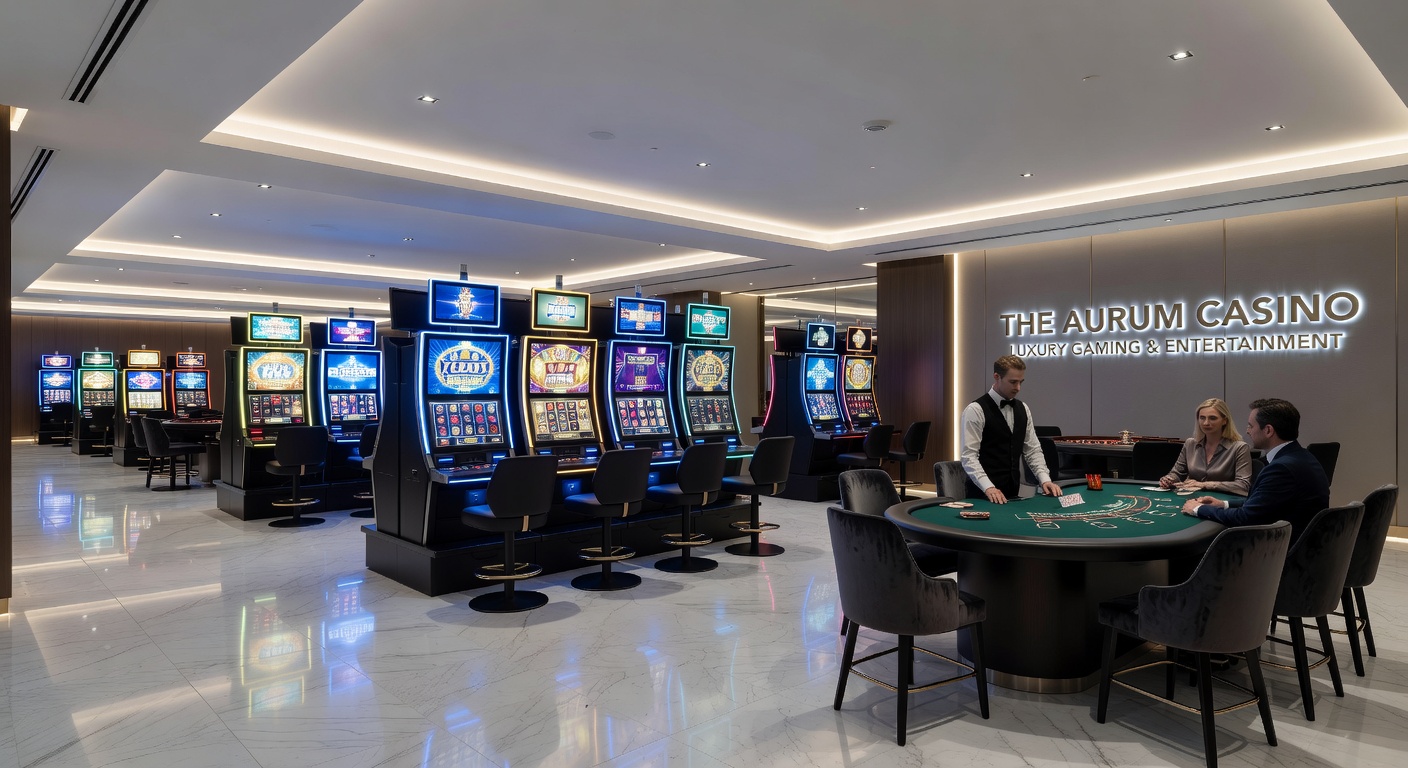
Visitation patterns shifted as the Middle East conflict influenced travel decisions for certain customer segments. Airlines adjusted routes, and some corporate and leisure travelers postponed trips, leading to measurable declines in international arrivals at New Zealand and Australian gateways that serve SkyCity properties. Domestic patronage remained steadier yet could not fully offset the international shortfall in high-value gaming segments.
The company issued its results in line with standard reporting cycles for the fiscal year ending in June 2026, with public release occurring in August 2026. Management commentary highlighted ongoing cost-control initiatives and efforts to diversify revenue through non-gaming amenities, although the reported numbers still showed the net impact of the listed headwinds.
Industry Setting and Comparable Trends
Australasian casino operators have faced similar cost and demand dynamics in recent periods. Labor markets tightened after pandemic-related disruptions, pushing wages higher across hospitality roles. Regulatory requirements around responsible gambling and anti-money laundering also added compliance overhead that appears in operating expense lines. SkyCity's experience aligns with these broader patterns while carrying the additional layer of conflict-related travel effects.
Revenue from carded play serves as a key performance indicator because it captures repeat and higher-spending customers who participate in loyalty programs. When that segment contracts, operators often see disproportionate effects on EBITDA margins because fixed costs remain in place while variable revenue declines. The FY26 results illustrate this relationship in concrete numbers.
Strategic Responses and Forward Indicators
Company statements reference continued investment in customer experience upgrades and digital engagement tools aimed at stabilizing gaming volumes. These measures include enhancements to loyalty program benefits and targeted marketing campaigns directed at both domestic and remaining international audiences. Capital expenditure plans focus on maintaining venue quality and meeting evolving regulatory standards without expanding overall footprint in the near term.
Analysts reviewing the SkyCity FY26 Result Presentation point to the reported figures as evidence of margin pressure that many regional operators encountered during the same timeframe. The combination of cost inflation and selective demand weakness created a challenging environment that required active management of both revenue and expense sides of the business.
Conclusion
SkyCity Entertainment Group's FY26 results capture a period of measurable contraction in net profit after tax and underlying EBITDA, driven by documented increases in operating costs, lower carded play revenue, and visitation impacts linked to the Middle East conflict. The reported NZ$18.2 million net profit reflects these factors in aggregate, and the company continues to operate its established portfolio of Australasian properties under prevailing market conditions. Further updates on performance will depend on subsequent reporting periods and any changes in the external environment affecting travel and consumer spending.