Wallet Sync Methods That Streamline Bonus Unlocks Across Multi-Provider Mobile Casino Networks
Vera Franke · Jul 30, 2026
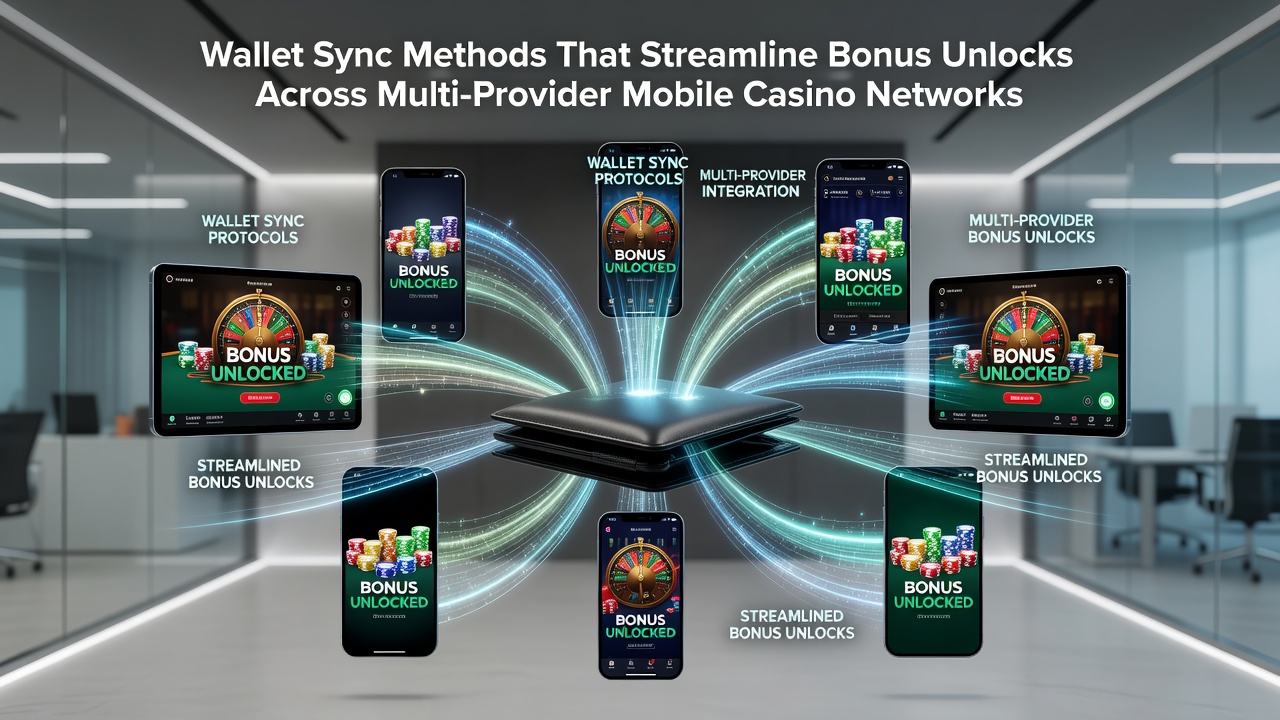
Wallet Sync Methods That Streamline Bonus Unlocks Across Multi-Provider Mobile Casino Networks
Wallet synchronization technologies now connect user accounts across separate casino operators through standardized application programming interfaces that verify balances and trigger promotional releases without requiring repeated logins or manual transfers. These systems rely on encrypted token exchanges that update in real time while players move between platforms operated by different software suppliers.
Core Technical Components
Developers integrate secure multi-party computation protocols with existing payment gateways so that a single digital wallet address authorizes bonus eligibility checks on several networks simultaneously. Data from July 2026 shows increased deployment of these protocols in North American mobile environments where operators share common compliance frameworks yet maintain independent game libraries. Observers note that the process begins when a player deposits funds or claims an initial offer then the sync layer records the transaction hash and distributes unlock signals to partner systems within seconds.
Encryption standards such as AES-256 combined with zero-knowledge proofs prevent any single provider from accessing full transaction histories while still confirming that bonus conditions have been met. Researchers at technical institutes have documented how these methods reduce average time from deposit to playable balance from several minutes to under thirty seconds across tested networks.
Implementation Patterns in Mobile Ecosystems
Operators that participate in shared wallet frameworks typically adopt a hub-and-spoke architecture where a central synchronization service acts as the intermediary between each casino application and the user's stored credentials. In practice this means a player who unlocks a welcome package on one platform sees the corresponding free spins or matched credits appear automatically when they open another participating title. Industry reports indicate that adoption rates climbed steadily through the first half of 2026 as regulatory clarity around digital asset handling improved in multiple jurisdictions.
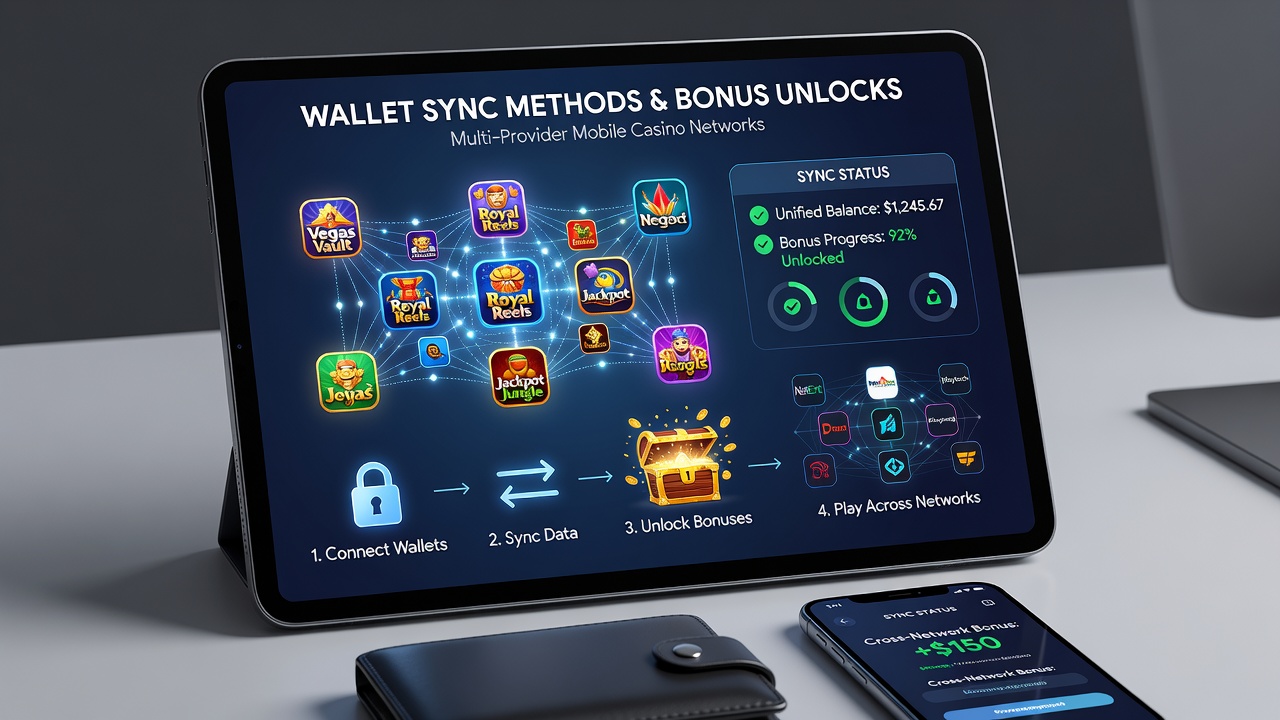
One documented case involved a cluster of regional operators in the Midwest that linked their loyalty databases to a common wallet service in early 2026. Players who met wagering thresholds on any connected site received tier upgrades that carried over to the others without additional verification steps. Figures released by the American Gaming Association highlight corresponding growth in mobile session lengths during the same period.
Security and Compliance Considerations
Regulatory bodies in several states require that synchronized wallets maintain segregated ledgers for each operator even while permitting unified user interfaces. Audit trails generated by these systems record every bonus release and redemption event with timestamps that satisfy reporting obligations under current gaming statutes. Canadian provincial regulators have examined similar frameworks and issued guidance documents that emphasize the need for independent third-party testing of the synchronization layer before full rollout.
Additional safeguards include rate limiting on API calls and anomaly detection algorithms that flag unusual patterns such as rapid successive bonus claims across providers. These measures align with broader efforts to prevent fraud while preserving the convenience that drives player retention in competitive mobile markets.
Future Integration Trends
Emerging standards from international gaming technology consortia point toward greater interoperability between fiat and cryptocurrency wallets within the same synchronization framework. Pilot programs scheduled for later in 2026 aim to extend the same seamless unlock process to live dealer environments where real-time balance updates become critical for maintaining game flow. Data compiled by research organizations tracking portable platform usage suggests that networks employing these advanced sync methods record higher completion rates for multi-stage bonus offers compared with standalone implementations.
Providers continue to refine the underlying authentication flows to accommodate biometric login options on newer mobile devices which further reduces friction during cross-network transitions. The result is an expanding web of interconnected systems that treat bonus eligibility as a shared attribute rather than an isolated per-platform calculation.
Conclusion
Wallet synchronization methods have become a practical solution for operators seeking to deliver consistent promotional experiences across fragmented mobile casino networks. Through coordinated API standards and robust security protocols these approaches enable faster bonus access while meeting evolving regulatory requirements. Continued technical refinements scheduled through the remainder of 2026 are expected to expand the number of participating providers and further streamline the player journey from deposit to active play.